Mitsubishi S01/006B inrush-circuit abnormality: separate site observations from fault conclusions
Organize the original M80 S01 power-supply inrush-circuit alarm evidence, distinguish 006B from 006C and identify the model, operating-stage and repair records needed before inspection.
Contents
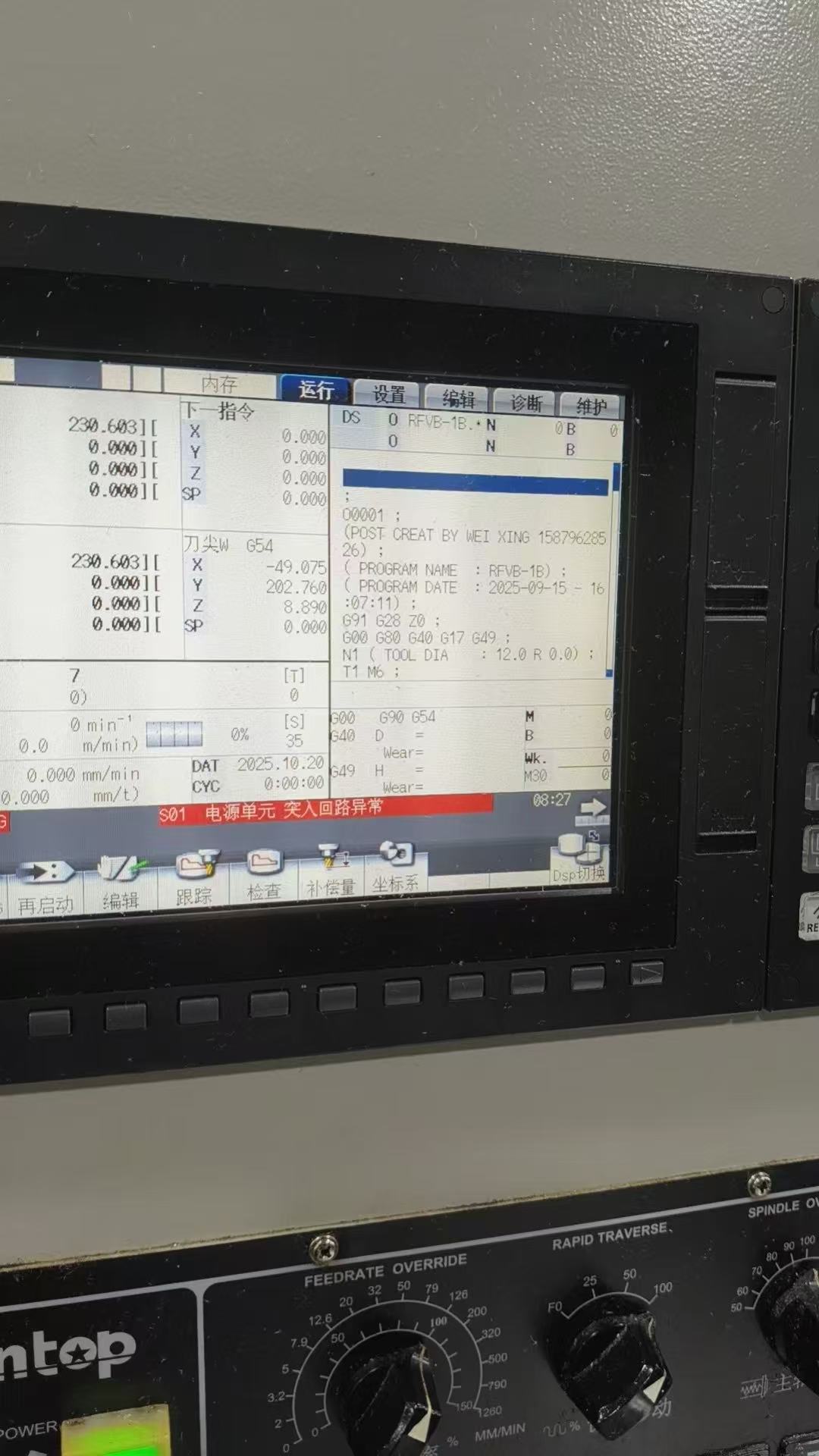
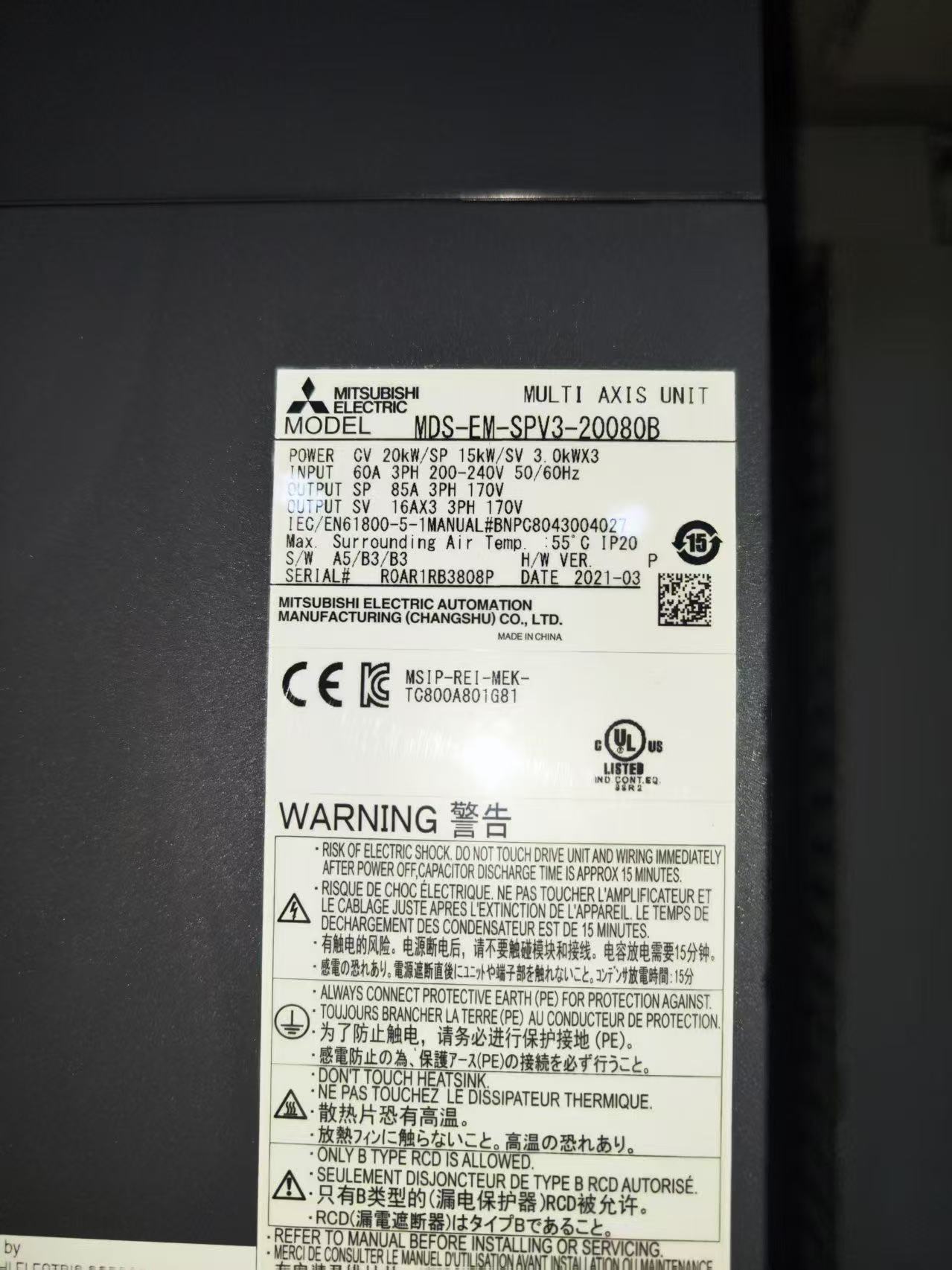
The original site record describes a Mitsubishi M80 machine displaying S01 “Power supply unit: inrush circuit abnormality” alarm 006B and mentions MDS-EM-SPV3-20080 and MDS-D2-CV-110 series equipment. Reported symptoms include powering on after a stoppage, the contactor pulling in after emergency-stop release, followed by an alarm, sometimes accompanied by tripping. These are site clues collected in the original text; they do not establish the same fault on every machine of the same model.
Do not confuse 006B with 006C
The power-supply alarm table in IB-1501280-B lists 6B as an inrush-circuit abnormality, whereas 6C concerns an abnormal main-circuit capacitor charging operation. Check complete alarm text, module series and the corresponding drive manual. Adjacent numbers do not justify using the same repair conclusion.
Describe the stage at which the alarm appears
Record power-on, emergency-stop release, contactor action, alarm display and tripping in their actual order. “Cannot start” loses important information. If only an operator's verbal account exists, identify it as such; do not present unmeasured voltages or unconfirmed contactor actions as measured findings.
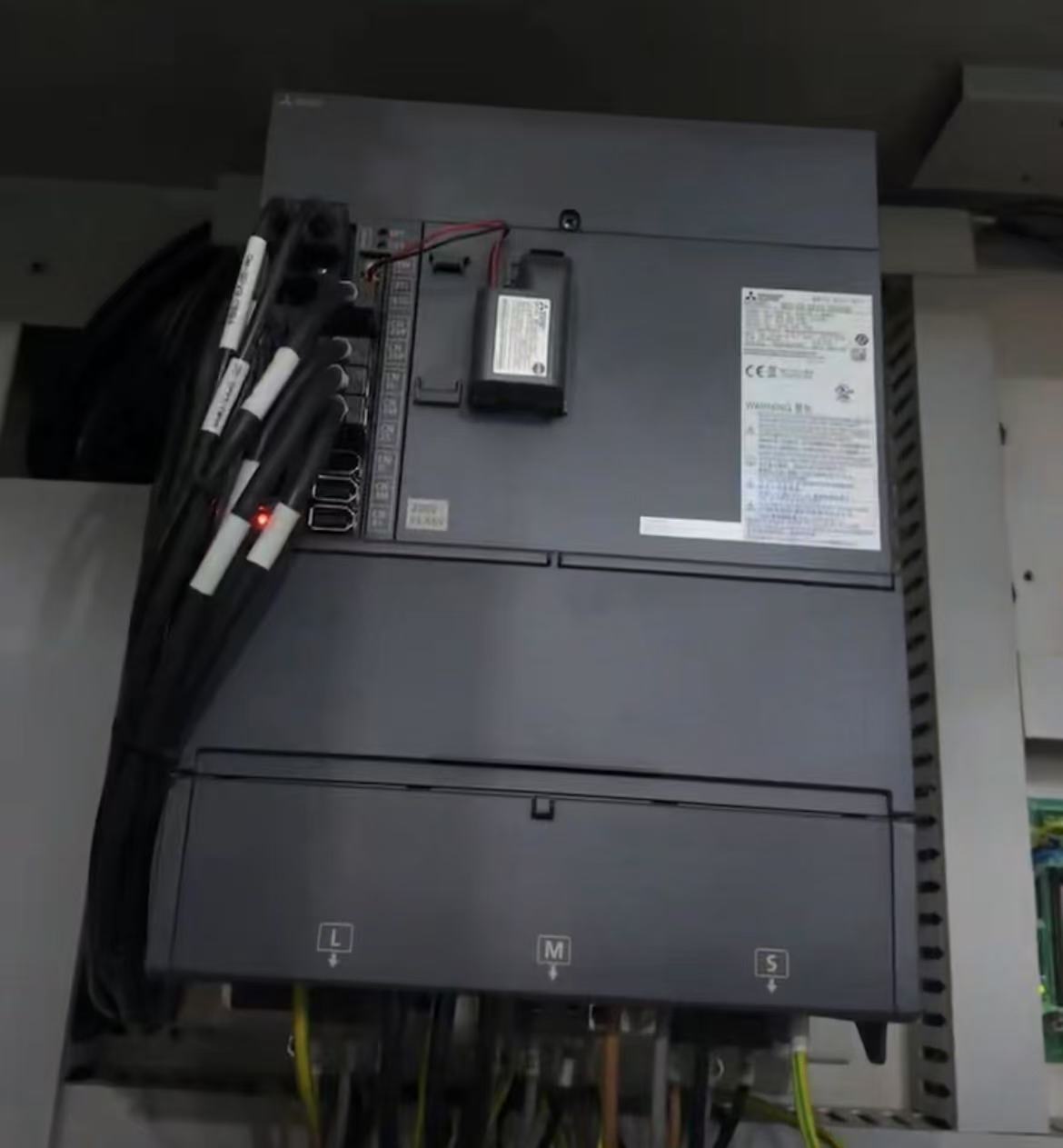
Retain NC alarm photographs, drive nameplates and panel displays together. MDS-EM multi-in-one equipment differs structurally from a separate power-supply unit. Inspection points and replacement conditions need separate confirmation. Parts listed for other equipment are not this machine's purchasing list.
Repeated power-on is not an inspection
If tripping, burn marks or unusual odours are present, stop repeated trials and arrange specialist inspection. Internal circuits, input conditions and control sequence require machine-specific documentation. Work on high-voltage stored-energy sections requires power isolation and confirmation of discharge. This article provides no method of bridging contactors, bypassing protection or directly replacing power modules.
The original text mentions a 6MBP300VDE060 module but supplies no complete BOM, version correspondence or measurement record. It therefore cannot establish a universal replacement conclusion for every MDS-EM-SPV3-20080. Inspection should compare the actual unit with matching manufacturer documentation.
Limits of the recorded outcome
The original material gives no definite repair procedure or acceptance result. This revision does not add a claim that replacing a particular part restored operation. For further assessment, submit the event sequence and equipment photographs. Read the S01, S03 and S04 category explanation alongside it. An existing 6C case is available in the 006C repair record (Chinese); retain the distinction between the two messages.
Original site photographs
Reference: M800/M80/E80/C80 Series HANDBOOK, IB-1501280-B, §3.1, printed page 29; power-supply alarm table on page 39; MCP alarms on page 48. This text explains scope and suggests ways to organize site records. Follow the documentation for the actual system and machine builder for specific operations.